Why do classrooms smell musty? And why it matters more than you think
Many schools and colleges struggle with indoor air that feels stale, damp or musty. While these smells may seem like a minor nuisance, they often indicate deeper issues with air quality, hygiene and building health.
What causes the musty smell in classrooms?
Musty odours typically result from a combination of factors:
• Poor ventilation, especially in older buildings with sealed windows or outdated HVAC systems
• Damp materials, including carpets, curtains or stored sports kit
• Humidity buildup, often from overcrowding, wet clothing, or lack of airflow
• Microbial growth, particularly mould, which thrives in moist, stagnant air
These smells tend to worsen during colder months when windows are closed and heating is used more heavily, creating the perfect conditions for mould and mildew to flourish.
Why musty smells matter in education settings
Unpleasant odours affect more than comfort. In learning environments, poor air quality is linked to:
• Reduced concentration and cognitive performance
• Higher rates of absenteeism
• Increased reports of tiredness and headaches
• Negative impressions of cleanliness and care
Studies show that even mild air quality issues can impact both pupil wellbeing and educational outcomes. A room that "smells funny" can undermine the learning environment, distract students, and make staff less comfortable.
Why fragrance sprays are not the answer
Covering a musty smell with artificial fragrance does not solve the problem. In fact, it can make it worse:
• Fragrance mixes with musty air, often creating a more unpleasant effect
• Sprays do not remove the underlying source, such as mould or damp
• Some students or staff may have allergies or sensitivities to synthetic scents
True air hygiene means eliminating the compounds causing the smells, not masking them.
How AIRsteril helps improve air quality in classrooms
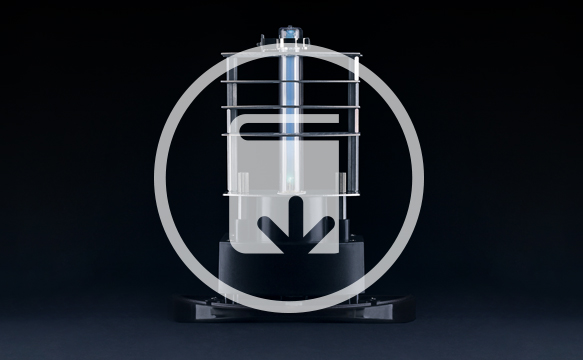
AIRsteril units work continuously to neutralise airborne bacteria, mould spores and odour-causing compounds. They do not rely on chemicals or fragrance, making them ideal for occupied spaces.
In education settings, fixed units can be placed in:
• Classrooms and lecture rooms
• Changing areas and PE halls
• Staff rooms and storage zones
• Corridors and communal spaces
By maintaining a consistent level of air hygiene, AIRsteril helps:
• Eliminate musty smells at the source
• Support staff and student wellbeing
• Improve perceptions of cleanliness and care
• Reduce complaints and enhance the learning environment
Talk to us
If your school is struggling with musty odours or poor indoor air quality, we can help. Contact us for a consultation or to explore a pilot installation.