What’s really in your air freshener? The hidden risks of fragrance-based odour control
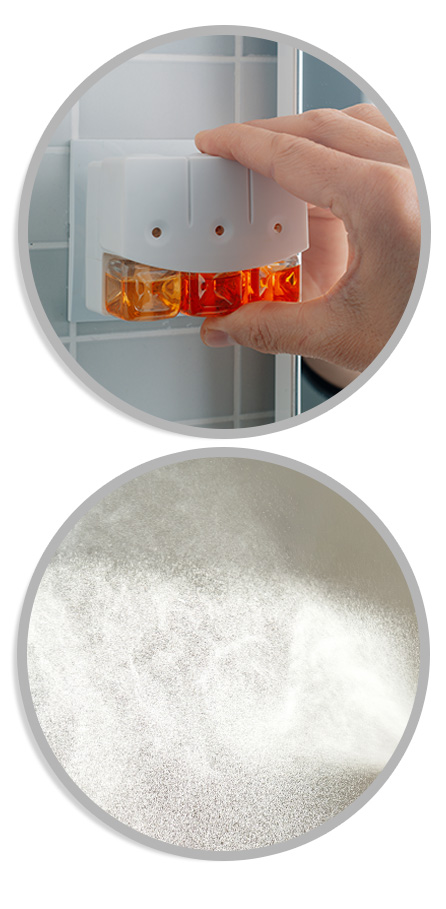
Fragranced air fresheners and scent dispensers are a common sight in washrooms, care facilities, offices, and hospitality venues. Marketed as quick-fix solutions to unpleasant odours, these products are often assumed to improve hygiene and indoor air quality. However, the truth is more complex and in many cases, far more concerning.
Air fresheners don’t clean the air
Air fresheners work by masking smells, not eliminating the source. In environments where odours stem from bacteria, waste, or volatile organic compounds (VOCs), this approach merely overlays the problem with synthetic chemicals. The result can be a heavier, more chemically saturated atmosphere, which many users find unpleasant, particularly those with respiratory conditions, chemical sensitivities, or other health vulnerabilities.
A chemical cocktail: what’s really in those sprays?
Fragrance products often contain a blend of volatile organic compounds (VOCs), solvents, synthetic aldehydes, and other substances that may pose health and environmental risks. These include:
• Ethanol (CAS 64-17-5) – flammable, eye irritant; used at 10–20%
• Propan-2-ol (CAS 67-63-0) – flammable, respiratory irritant; used at 1–10%
• 2,4-Dimethylcyclohex-3-ene-1-carbaldehyde – skin sensitiser, aquatic hazard
• Diphenyl ether (CAS 101-84-8) – causes eye irritation
• OTNE (Iso E Super) – skin sensitiser and environmental pollutant
• Limonene, pinene and other terpenes – used for citrus and pine scents; respiratory irritants and known allergens
• Lilial (butylphenyl methylpropional) – banned in the EU due to reproductive toxicity
• Galaxolide and musk ketone – synthetic musks; bioaccumulative and linked to hormone disruption
• Benzenemethanol (benzyl alcohol) – respiratory irritant and potential allergen
• Butylated hydroxytoluene (BHT) – antioxidant; associated with potential endocrine and organ effects
• Phthalates and parabens – linked to hormone disruption
• Formaldehyde, acetaldehyde – known carcinogens and respiratory irritants
In one independent study (PMC6874985), several potentially harmful chemicals—including lilial, galaxolide, and benzenemethanol—were detected in popular air fresheners, yet none were disclosed on product labels.
For a more extensive list, see our detailed breakdown of harmful substances in fragrance units.
Health concerns from repeated exposure
While concentrations in a single use may be low, repeated exposure, particularly in confined or poorly ventilated areas, increases risk. Reported effects include:
• Headaches, nausea, and dizziness
• Respiratory irritation or asthma exacerbation
• Skin reactions or dermatitis
• Potential endocrine disruption or carcinogenic risk (from certain compounds)
Sensitive individuals, such as care home residents, young children, or those with chronic health conditions, are especially vulnerable.
Environmental and operational costs
Fragrance units rely on consumables such as cartridges, aerosol cans, or batteries. These not only generate waste but require frequent maintenance. VOCs emitted indoors can also contribute to outdoor air pollution and affect aquatic ecosystems when disposed of improperly.
A false sense of cleanliness
Artificial scents can create the impression that a space is clean when in fact harmful bacteria, mould spores, or waste residues remain. This is especially concerning in high-traffic washrooms, care homes, and healthcare environments where hygiene is critical.
The AIRsteril alternative: clean air without chemicals
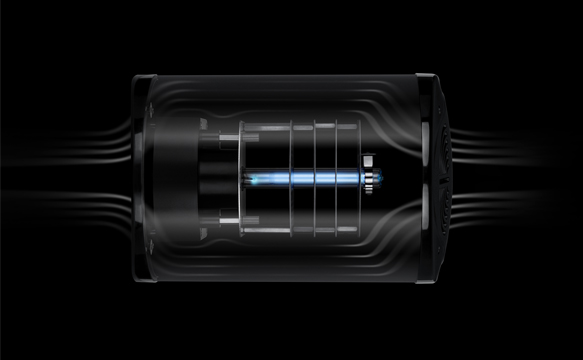
AIRsteril units offer a proven, science-based solution. Using ultraviolet light and photocatalytic oxidation, AIRsteril neutralises pathogens, moulds, and odour compounds, without masking smells or adding chemicals to the air.
Independent testing confirmed that AIRsteril:
reduces airborne viruses by over 99.99% within 10 minutes lowers surface contamination in ambulances by 95% cuts microorganism, yeast, and mould levels in washrooms by over 77% reduces formaldehyde levels by 87.2% in a continuously dosed chamber produces no harmful by-products during operation
For health, hygiene and sustainability
The time has come to move beyond fragrance-based air care. Whether you manage a care home, school, office, hospitality venue, or public facility, you can offer safer, cleaner air without relying on chemical masking agents.
Choose AIRsteril. Clean the air properly. Protect your people.