UV-C air disinfection: effective and safe when correctly used
Ultraviolet germicidal irradiation (UVGI), often referred to as UV-C air purification, is one of the most scientifically validated technologies for air hygiene. When correctly implemented, it can safely inactivate bacteria, viruses, and mould spores. However, understanding how it works and where it works best is essential to ensuring effective use.
What is UV-C?
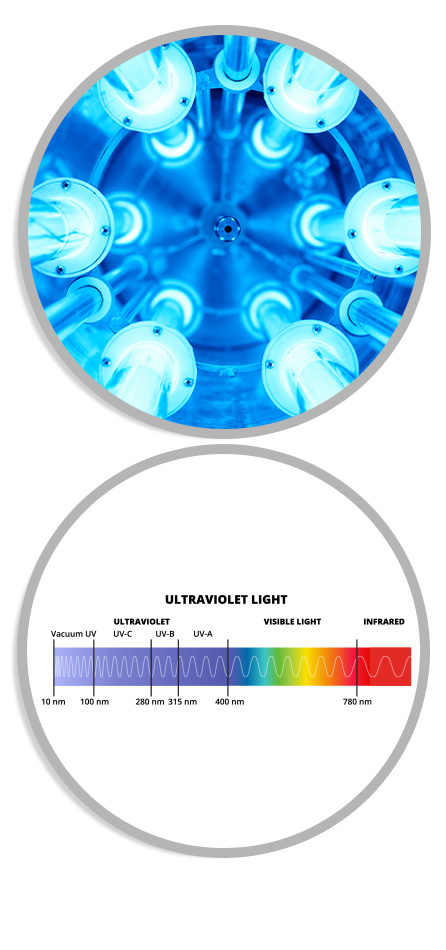
UV-C light refers to a specific band of ultraviolet light (between 200–280 nm), with 254 nm being the most effective wavelength for microbial disinfection. It works by disrupting the DNA or RNA of microorganisms, preventing them from replicating and causing infection. This is a mechanical process, not a chemical reaction.
How is UV-C used in air purification?
In air purification systems, UV-C is typically:
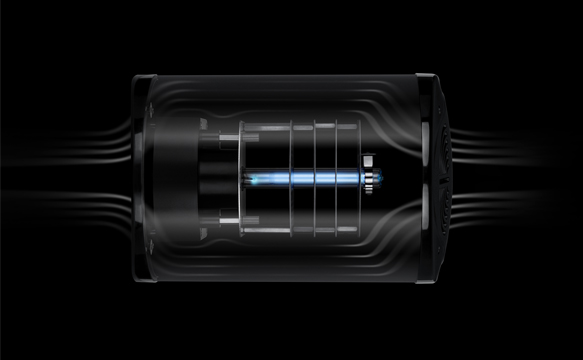
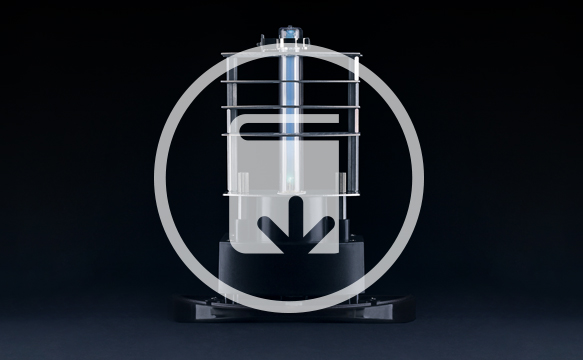
• Shielded inside a unit to safely treat air as it flows past the lamp
• Combined with fans or ducted airflow to ensure sufficient exposure time
• Sometimes used with other technologies, such as filtration
UV-C is also used in upper-room disinfection systems, where it treats the air that circulates above head height.
What UV-C systems can do
When designed correctly, UV-C systems can:
• Inactivate airborne microorganisms (including viruses, bacteria, and fungi)
• Support infection control in occupied environments
• Operate continuously without introducing chemicals or residues
They are especially useful in:
• Healthcare and clinical environments
• Shared spaces with elevated infection risk
• Washrooms, waste handling areas, and cold storage rooms
Limitations and considerations
1. Correct design is critical
UV-C effectiveness depends on:
• Exposure time: the air must pass slowly enough through the UV field
• Lamp intensity and placement
• Airflow control: poor design may allow air to bypass the UV field
2. No odour or VOC removal
UV-C in isolation does not break down VOCs or control odours. It targets microorganisms, not chemical compounds. For broader purification, UV-C is often paired with other methods.
3. No residual effect
UV-C treats air that passes through the system but does not continue to protect once air leaves the unit. New contaminants introduced into the space remain untreated until they circulate back through the device.
4. Maintenance and lamp life
UV-C lamps degrade over time. Even if they remain visibly lit, their germicidal effectiveness drops after 8,000 to 12,000 hours. Regular replacement is needed for continued performance.
5. Safety and shielding
Direct exposure to UV-C can damage skin and eyes. All systems intended for use in occupied areas must fully enclose the UV source and prevent leakage. Units designed for unoccupied use must include safety controls and re-entry protocols.
When UV-C makes sense
UV-C is one of the few technologies that can directly inactivate airborne microorganisms in real time. It is most effective when:
• Integrated into well-designed, enclosed systems
• Paired with appropriate airflow controls
• Used in settings with hygiene, health, or infection concerns
It is not a universal solution but offers strong benefits when correctly applied.