Top 5 bin store complaints and how to stop them
From housing developments to commercial buildings, bin stores are a necessary part of any property, but they’re also a frequent source of complaints. Whether from residents, staff, or neighbouring businesses, poor conditions in waste storage areas can quickly undermine the perception of a well-managed site.
Here are the top five complaints about bin stores – and how to deal with them effectively, not just temporarily.
1. Persistent odours
Unpleasant smells are one of the most frequent triggers for complaints. Odours caused by bacteria, decomposing organic waste, and volatile organic compounds (VOCs) build up quickly in enclosed or poorly ventilated areas. Once established, these smells are hard to remove – and chemical sprays or deodorisers often make things worse.
Solution: Odour control must go beyond masking. To prevent recurring issues, the gases and microbes responsible need to be addressed directly through ongoing air management.
2. Resident or neighbour dissatisfaction
Overflowing bins, waste spills, and odours escaping into nearby areas all contribute to a negative experience for those living or working nearby. In communal residential properties, this results in resident frustration and service complaints. In commercial buildings, it may reflect poorly on facilities teams or managing agents – especially when tenants are paying management fees.
Solution: Waste management is often taken for granted until there’s a problem. When issues arise, a visible commitment to hygiene and odour control can protect reputation and reduce escalation.
3. Pests and insects
Rodents, flies, and insects are attracted to bin stores for obvious reasons, but the connection is deeper than it seems. Decomposing waste creates odours that attract pests. These pests then breed, leave waste behind, and contribute to new smells, creating a cycle that repeats. This "odour chain" of waste–bacteria–pest–waste can quickly spiral out of control. Pest control callouts can be costly and disruptive.
Solution: Breaking this cycle requires reducing the initial bacterial activity and odour buildup that attracts pests in the first place.
4. Perception of poor standards
Not all bin stores are cleaned as well as they should be – especially hard-to-reach areas or the inside of bins themselves. Waste residue and organic matter can rot over time, creating a long-lasting source of bad smell. But even in well-maintained stores, strong odours give the impression that the area is unclean or neglected. For visitors or residents, this suggests low hygiene standards and poor management.
Solution: Well-maintained and regularly cleaned bin stores are essential to overall hygiene. However, even a clean-looking space can still release unpleasant odours, which gives the impression of poor standards. Effective odour control supports cleaning efforts and ensures the environment both looks and smells professionally managed.
5. Disruption from repeated cleaning and chemical use
To tackle odours, some facilities use intense chemical cleaners or odour-masking sprays. While these may offer short-term relief, they introduce strong artificial scents that many people find worse than the original smell. Frequent deep cleans also cause noise and disruption, especially if they need to be repeated due to recurring odours or pest problems.
Solution: A consistent, low-maintenance system reduces the need for reactive cleaning and avoids the discomfort caused by chemical air fresheners or repeated interventions.
A professional solution for better-managed spaces
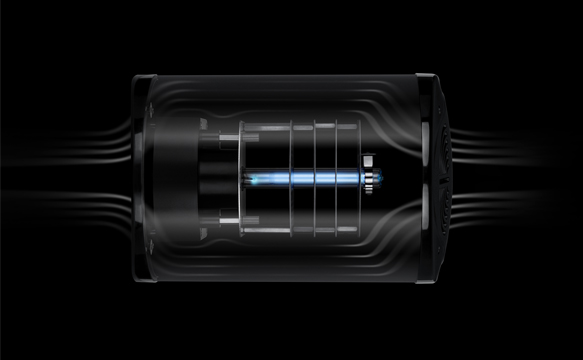
For housing associations, property managers, and commercial facilities, AIRsteril offers a proven long-term approach to bin store odour and hygiene control. By treating the air already present in the space, AIRsteril technology:
• Breaks down the gases and bacteria responsible for odours
• Disrupts the pest-attracting cycle by controlling airborne contaminants
• Supports a cleaner, safer environment with less disruption and lower complaint risk
The result is a cleaner, more controlled waste area that protects reputation, user experience, and hygiene standards every day.