The problem with masking odours: improving air quality in care environments
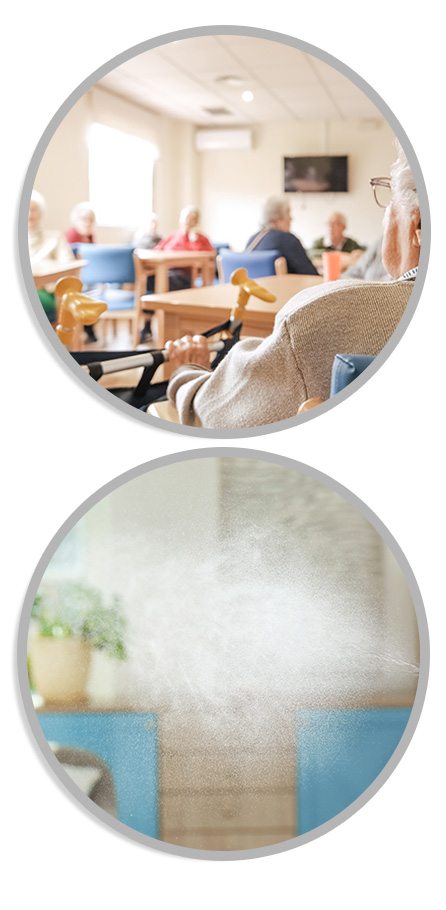
Care homes often battle lingering odours, whether from incontinence, hygiene routines, food smells, or stale air in shared kitchen and lounge areas. Many turn to air fresheners and scent dispensers for a quick fix, but these products only attempt to mask the smell. They do not resolve the root cause and can introduce additional issues.
1. Fragrance sprays only attempt to mask odours
Air fresheners do not clean the air. In care settings, odours can stem from bacteria, bodily functions, food, cooking, and chemical residues. Adding artificial scents can make the air feel heavier, and strong fragrances may cause discomfort or distress for residents with respiratory conditions or dementia. In many cases, these scents blend with existing odours to create a more unpleasant chemical haze.
2. Health and environmental concerns from ingredients
Common fragrance ingredients include:
• Ethanol and propan-2-ol (10–20% and 1–10%): highly flammable and can irritate eyes and airways
• Synthetic compounds such as 2,4-dimethylcyclohex-3-ene-1-carbaldehyde (less than 1%): known skin irritants and sensitisers
• Diphenyl ether (less than 1%): may irritate eyes
These VOCs may cause coughing, headaches or nausea, and with repeated use, contribute to dermatitis. The combined effects of multiple chemicals in enclosed spaces increase risks for sensitive residents and staff.
3. Environmental and lifecycle impacts
Fragrance units contribute to indoor and outdoor pollution. Released VOCs can even harm aquatic life if they enter waterways. Manufacturing synthetic fragrances consumes energy and creates waste, and disposable cartridges or aerosol cans add landfill burden. Frequent use of these products increases environmental impact and results in a higher carbon footprint for care providers.
4. Hidden labour and operating costs
Using disposable air freshener cartridges or batteries adds to maintenance time and costs. Replacing items frequently increases both expense and staff workload, without improving hygiene or addressing odour sources.
5. A better solution: real air sanitisation
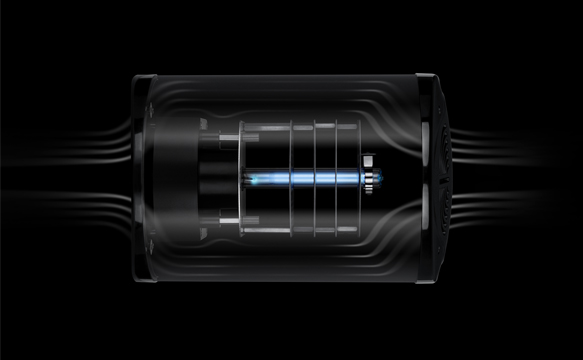
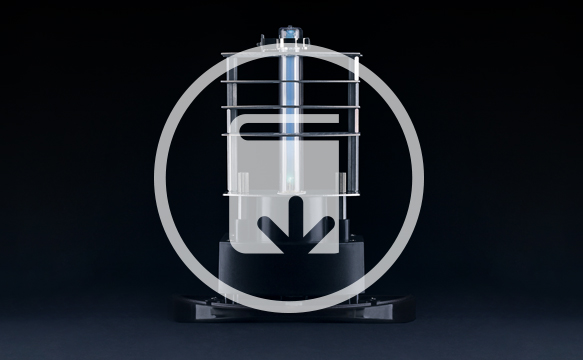
AIRsteril units go beyond masking odours. They use ultraviolet light combined with catalytic technology to neutralise bacteria, viruses, mould and odour-causing compounds throughout the room. No filters, no chemicals, and no fragrances are involved. They work continuously and typically require only an annual lamp change, delivering truly clean air instead of scented air.
6. For dignity, comfort and compliance
Air fresheners may seem like a good idea, but they do not work and can worsen air quality and resident experience. Care homes deserve solutions that clean the air, protect health, and support environmental responsibility. Our units offer a scientifically proven alternative that promotes hygiene standards, regulatory compliance, and resident dignity.