ionizers and electrostatic systems: misunderstood air cleaners?
ionizers and electrostatic air purifiers are often promoted as silent, low-maintenance alternatives to filters. While they sound appealing, their actual performance, particularly in commercial or hygiene-sensitive environments, is often misunderstood.
How do ionizers work?
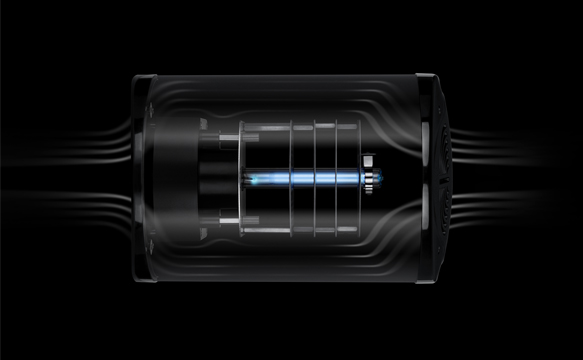
ionizers (also called negative ion generators or ionic purifiers) charge airborne particles with negative ions. These charged particles are then drawn to nearby surfaces, such as walls, furniture, or collector plates, where they stick and are removed from the air.
Some systems include:
• Electrostatic precipitators, which attract particles to internal plates for cleaning
• Plasma ionizers, which use both positive and negative ions to increase interaction with airborne pollutants
What ionizers and electrostatic systems can do
These systems can help reduce certain types of airborne particulate, particularly in:
• Low-dust environments
• Small or enclosed rooms
• Domestic settings with minimal air movement
They offer some advantages:
• Quiet operation
• Low power usage
• Fewer consumables compared to filter-based systems
Limitations of ionizers and electrostatic systems
1. No odour or gas control
Ionizers do not treat VOCs or unpleasant smells. They do not break down molecules or neutralise bacteria responsible for odours. As such, they offer no reliable solution for odour complaints in environments like washrooms or waste areas.
2. No microbial action
These systems do not kill or deactivate bacteria, viruses, or fungi. Any impact on airborne microorganisms is incidental and extremely limited. They should not be relied upon for infection control or hygiene improvement.
3. Settling, not removal
Ionizers work by charging particles and causing them to settle. The contaminants remain in the environment unless surfaces are regularly cleaned. In practical terms:
• Dust may re-enter the air with movement
• Collector plates must be maintained to avoid build-up
• Hygiene benefits are indirect at best
4. Minimal reach
Because the technology does not create a directional airflow or process large air volumes, it typically only affects the immediate area around the device. Particles further from the ion field remain untreated.
5. Ozone production risk
Some ionizers and electrostatic systems produce ozone as a by-product. Users should verify output levels, especially in sensitive environments.
When ionizers might be useful
Ionizers and electrostatic units may offer some benefit in:
• Small rooms with minimal odour or microbial load
• Environments where silence and low maintenance are priorities
• Supplementing other air quality strategies (not as stand-alone solutions)
However, in any setting where odour complaints, high traffic, or hygiene risks are present, these technologies are unlikely to meet expectations.